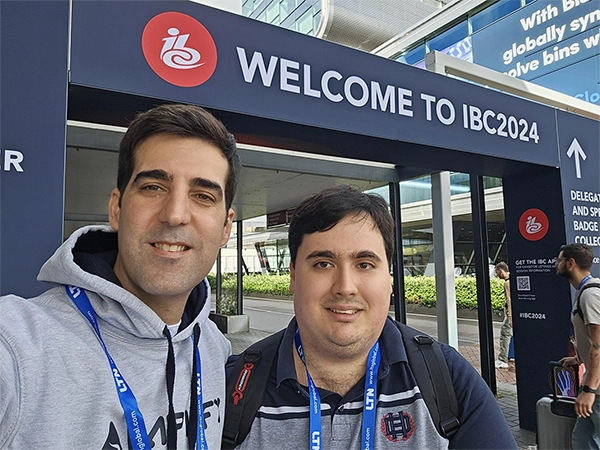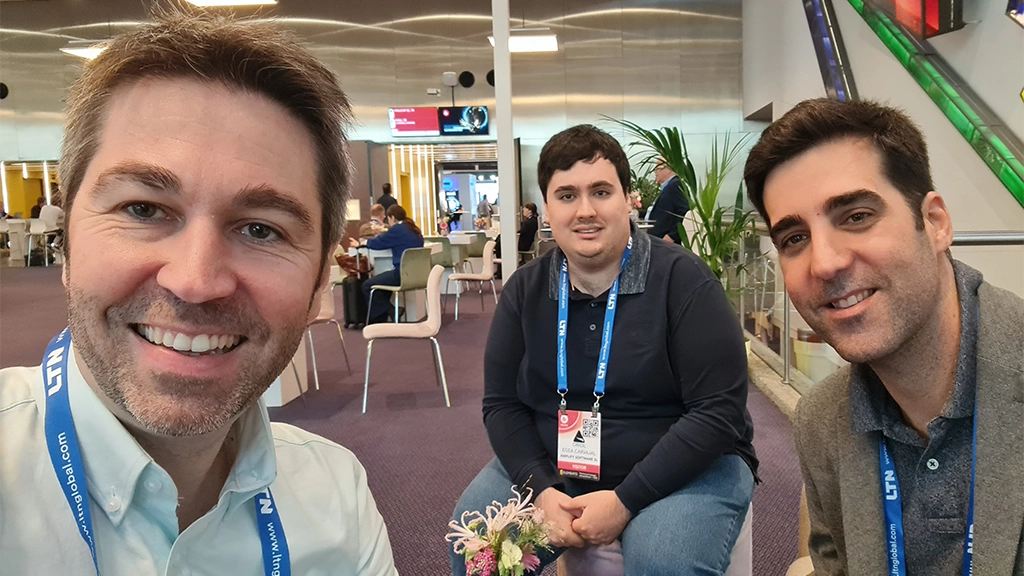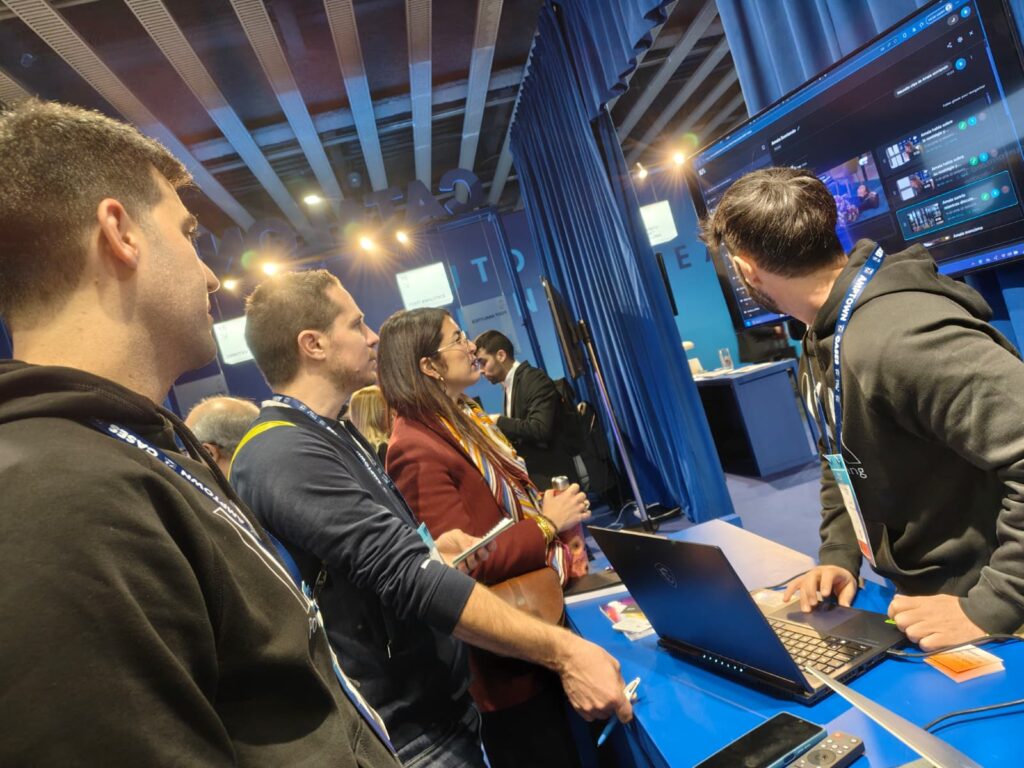
Over the past few days, we’ve shared KAI with a wide mix of creators, post-production teams, and production companies. The feedback has been remarkably consistent: people aren’t looking for AI that adds complexity. They want an AI storytelling workflow that feels natural, stays collaborative, and connects directly to the tools they already use.
KAI was designed for exactly that. It brings indexing, story development, and editing into a single workflow — so creative teams spend less time hunting for moments and more time shaping the narrative.
What creators are telling us about KAI
The most repeated reaction we’ve heard is simple: KAI feels like it belongs in the production process.
That matters, because many AI tools still sit on the outside of real workflows. They generate outputs that teams can’t easily validate, share, or move into the edit. In contrast, KAI is built around the actual steps that happen every day in post-production:
- reviewing and understanding large volumes of footage
- building story direction with a team
- transferring story structure into the edit timeline without rebuilding
As a result, conversations quickly moved from “interesting demo” to “we want to try this on our content.”
Interest across big productions and independent creators
KAI has drawn interest from both high-volume productions and independent creators — which is not always easy for a professional tool to achieve.
Large productions have focused on scale and speed: how to navigate huge amounts of material, align story teams, and keep decisions consistent across departments. They see immediate value in reducing manual logging and making story exploration faster and more shareable.
Freelancers and small teams have focused on practicality: how to move quickly, avoid busywork, and keep creative control without adding more tools. For them, the appeal is a workflow that supports ideation and structure, while still respecting how individual editors work.
Different environments, similar need: an AI storytelling workflow that saves time without forcing a new creative process.
The standout feature: collaborative storytelling through conversations
If one part of KAI consistently “clicks” in demos, it’s collaboration through conversations.
Instead of one person using AI in isolation, teams can work in a shared story space where prompts and outputs are visible, repeatable, and easy to iterate. That changes how alignment happens:
- Producers and editors can explore options together
- Story teams can refine narrative directions without losing context
- Decisions become traceable, not buried in scattered notes
In practice, this makes KAI feel less like a generator and more like a collaborative story workflow built around your footage.
Just as importantly, the conversation layer supports iteration. Teams can try a structure, adjust it, compare alternatives, and keep moving. That mirrors real creative work — which rarely happens in a straight line.
Why editors care most about the Adobe Premiere workflow
The second most mentioned highlight has been the integrated workflow inside non-linear editors — especially Adobe Premiere.
Editors have seen plenty of AI that produces summaries or suggestions. What they really want is the ability to turn story work into edit work without duplication. That’s where KAI stands out.
When story structures and selects can move into the timeline, teams don’t need to rebuild the same creative intent from scratch. Editors can start closer to a usable assembly and focus on what matters most: pacing, performance, emotion, and rhythm.
In other words, the AI storytelling workflow doesn’t end in a separate interface. It continues into the NLE — where the final work actually happens.
Try KAI on your own footage
If you’re considering AI for post-production, KAI was built with the production reality in mind—high-volume material, tight timelines, multiple stakeholders—and it’s designed to keep creative control firmly with the humans while helping decisions move cleanly from story exploration into the edit (including Adobe Premiere).
If you’d like to try KAI with your own media, reach out at [email protected] or visit https://www.kaistories.io/
***
Co-funded by the European Union. Views and opinions expressed are however those of the author(s) only and do not necessarily reflect those of the European Union or the EIT. Neither the European Union nor the granting authority can be held responsible for them.